Rhinoplasty Cheongdam Seoul Clinic
Rhinoplasty Surgery and Facial Aesthetic Care in Korea
Rhinoplasty in Cheongdam, Seoul provides personalized surgical care for international patients seeking improved nasal shape, balance, and facial harmony in Korea. Treatment may address the nasal bridge, tip, or overall nasal structure based on individual anatomy and aesthetic goals. International patients can access patient-focused rhinoplasty care in Cheongdam, Gangnam, with support designed to make treatment in Seoul easier and more comfortable.
What Is Rhinoplasty?
Rhinoplasty is a surgical procedure designed to change the shape, structure, or proportions of the nose.
Patients may consider rhinoplasty for aesthetic concerns involving the nasal bridge, nasal tip, nostrils, or overall relationship between the nose and face. In some cases, surgery may also address functional concerns related to nasal structure.
Because nasal anatomy varies significantly between individuals, the appropriate surgical technique depends on the patient's existing structure, skin characteristics, previous procedures, and aesthetic or functional goals.
Rhinoplasty in Cheongdam, Seoul
Cheongdam is a popular area in Seoul for plastic surgery and facial aesthetic procedures.
Patients considering rhinoplasty in Cheongdam may consult with a plastic surgeon to evaluate the nasal bridge, tip, septum, nostrils, and overall facial proportions.
During consultation, the surgeon may also review previous nasal surgery, breathing concerns, and the patient's desired changes before developing an individualized surgical plan.
What Does Rhinoplasty Address?
Rhinoplasty may address concerns such as:
- Low or prominent nasal bridge
- Nasal tip shape
- Wide or asymmetrical nostrils
- Nasal width
- Nasal dorsum irregularities
- Overall nose-to-face proportions
- Changes following previous nasal surgery
- Certain structural concerns affecting nasal function
The procedure can involve changes to bone, cartilage, soft tissue, or a combination of structures.
The appropriate approach depends on the patient's anatomy and the specific concern being treated.
Rhinoplasty Techniques in Cheongdam
Different rhinoplasty techniques may be used depending on the patient's nasal structure and goals.
Open Rhinoplasty
Open rhinoplasty involves an incision across the columella in addition to incisions inside the nose.
This approach can provide greater access to the nasal framework and may be useful for more complex structural changes or revision procedures.
Closed Rhinoplasty
Closed rhinoplasty uses incisions inside the nose without an external columellar incision.
It may be considered for selected patients when the planned changes can be performed through an internal approach.
Tip Plasty
Tip plasty focuses primarily on the shape, position, or definition of the nasal tip.
Cartilage may be reshaped, repositioned, or supported depending on the patient's anatomy.
The appropriate technique depends on the existing cartilage structure and desired outcome.
Rhinoplasty and Nasal Bridge
The nasal bridge contributes significantly to the overall appearance and proportions of the nose.
Patients may seek changes to bridge height, width, contour, or symmetry.
Depending on the patient's anatomy, surgeons may use cartilage, bone modification, or an implant to achieve the planned structural change.
The choice of material and technique should be based on individual anatomy, surgical goals, and medical considerations.
Rhinoplasty and Nasal Tip
The nasal tip can influence the apparent length, projection, width, and overall balance of the nose.
Tip surgery may involve modifying or repositioning cartilage to create a desired contour while maintaining appropriate structural support.
Because excessive modification can affect nasal stability or function, conservative and individualized planning is important.
Revision Rhinoplasty in Cheongdam
Revision rhinoplasty is performed when a patient has previously undergone nasal surgery and is seeking additional correction.
Revision cases can be more complex because of scar tissue, altered cartilage, changes in nasal structure, or limited available tissue.
Patients considering revision rhinoplasty should provide detailed information about previous procedures, including operative records when available.
A thorough examination is particularly important before determining whether further surgery is appropriate.
Rhinoplasty and Functional Concerns
Rhinoplasty can sometimes be performed alongside procedures addressing structural issues that affect nasal breathing.
Functional concerns may involve the nasal septum, internal nasal structures, or other anatomical factors.
Cosmetic rhinoplasty and functional nasal surgery have different goals, although they may be addressed during the same operation in selected patients.
Patients with breathing difficulties should discuss these symptoms with their surgeon during consultation.
What Are the Possible Risks of Rhinoplasty?
Rhinoplasty involves medical and surgical risks.
Possible risks may include swelling, bruising, bleeding, infection, scarring, asymmetry, changes in sensation, breathing difficulties, dissatisfaction with the aesthetic outcome, or the need for revision surgery.
The final nasal shape may also change as swelling gradually resolves during the healing process.
Patients should discuss potential complications, anesthesia, incision placement, recovery, and aftercare with their surgeon before surgery.
Who Should Consider Rhinoplasty?
Rhinoplasty may be considered by adults who have specific concerns about the shape, proportions, or structure of their nose and have realistic expectations about surgery.
Common concerns include:
- Nasal bridge shape
- Nasal tip appearance
- Nose width
- Nostril shape
- Nasal asymmetry
- Nose-to-face proportions
- Structural or breathing concerns
- Changes following previous rhinoplasty
Not every nasal concern requires surgery.
A qualified plastic surgeon should evaluate the patient's nasal anatomy, health, expectations, and goals before recommending treatment.
Rhinoplasty for Foreigners in Seoul, Korea
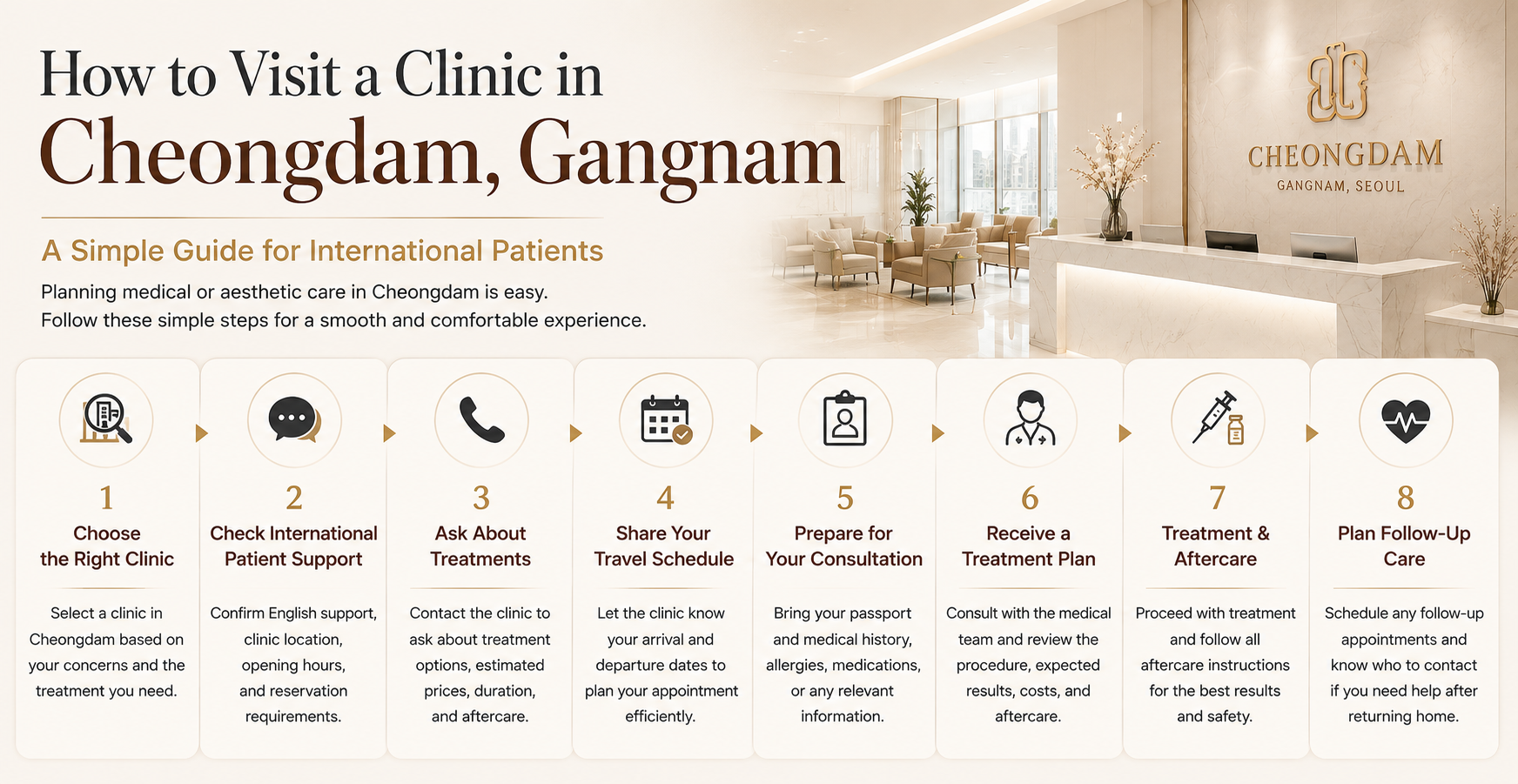
International patients may consider Seoul for rhinoplasty and other facial plastic surgery procedures.
Foreign patients should confirm whether the clinic provides English-language consultation or interpreter support and whether the surgeon has experience with the specific rhinoplasty technique being considered.
Patients should provide information about previous nasal surgery, medications, allergies, medical conditions, and any existing breathing concerns.
Those traveling to Korea for rhinoplasty should plan sufficient recovery time and follow-up appointments before returning home.
Rhinoplasty Consultation and Surgery Process in Seoul
A typical rhinoplasty process may include:
- Initial consultation and medical history review
- Examination of nasal structure and facial proportions
- Discussion of aesthetic or functional concerns
- Review of surgical techniques and material options
- Pre-operative assessment and surgical planning
- Rhinoplasty and post-operative monitoring
- Follow-up care and recovery guidance
The exact process varies depending on the surgical technique and individual anatomy.
Patients should understand the expected changes, limitations, potential risks, and recovery requirements before proceeding.
Rhinoplasty vs. Non-Surgical Nose Treatments
Rhinoplasty and non-surgical nose treatments provide different approaches to changing nasal appearance.
Surgical rhinoplasty can make structural changes to bone and cartilage and is generally used when more substantial or permanent changes are desired.
Non-surgical treatments such as injectable fillers may temporarily alter certain contours but cannot reduce the size or structurally reshape the nose in the same way as surgery.
Injectable treatments also have their own medical risks and are not appropriate for every nasal concern.
The appropriate approach depends on the patient's anatomy and desired degree of change.
Rhinoplasty for Women and Men in Cheongdam
Rhinoplasty can be customized for both women and men according to individual facial proportions and nasal anatomy.
Women may seek changes to the bridge, tip, nostrils, or overall nose shape while maintaining balance with the rest of the face.
Men may consider rhinoplasty for concerns involving the bridge, tip, width, asymmetry, or nasal profile, with treatment tailored to their individual features.
Regardless of gender, the surgical plan should be based on facial proportions rather than a standardized nose shape.
Rhinoplasty Care in Cheongdam, Seoul
Choosing rhinoplasty involves more than selecting a preferred nose shape.
Patients should consider the surgeon's qualifications, experience with nasal surgery, understanding of nasal anatomy, surgical technique, material selection, and approach to post-operative care.
Swelling and bruising are common during early recovery, while the nasal shape may continue to change as tissues heal and swelling decreases.
Patients searching for rhinoplasty in Cheongdam, rhinoplasty in Seoul, rhinoplasty in Korea, or rhinoplasty for foreigners can discuss their concerns with a qualified plastic surgeon before making a treatment decision.
Frequently Asked Questions
What is rhinoplasty?
Rhinoplasty is surgery designed to change the shape, structure, or proportions of the nose.
It may be performed for cosmetic reasons, functional concerns, or a combination of both.
What is the difference between open and closed rhinoplasty?
Open rhinoplasty uses an external incision in the columella in addition to internal incisions, providing greater access to the nasal framework.
Closed rhinoplasty uses internal incisions and may be suitable for selected procedures.
The appropriate approach depends on the patient's anatomy and surgical goals.
Can rhinoplasty change the nasal tip?
Yes. Tip plasty or other rhinoplasty techniques can modify the shape, projection, rotation, or definition of the nasal tip.
The exact changes depend on the patient's cartilage and soft-tissue structure.
Can rhinoplasty improve breathing?
In selected cases, nasal surgery may address structural problems that contribute to breathing difficulties.
Patients with functional concerns should discuss their symptoms and nasal anatomy with a qualified surgeon.
How long is recovery after rhinoplasty?
Recovery varies depending on the surgical technique and individual healing.
Swelling and bruising are common during the early recovery period, while the final nasal contour can take considerably longer to settle.
Can rhinoplasty be revised?
Yes. Revision rhinoplasty can address certain concerns following previous nasal surgery, but revision cases may be more complex because of scar tissue and altered anatomy.
A detailed evaluation is important before considering additional surgery.
Can foreigners get rhinoplasty in Korea?
Yes. International patients can seek rhinoplasty consultations and procedures in Korea, although language support, clinic availability, scheduling, and follow-up policies vary.
Rhinoplasty Consultation in Cheongdam, Seoul
If you are considering rhinoplasty in Korea, an individualized consultation can help determine which surgical approach is appropriate for your nasal structure, facial proportions, and aesthetic or functional goals.
Patients seeking rhinoplasty in Cheongdam, Seoul should confirm the surgeon's experience, recommended technique, material options, expected recovery, consultation language, and follow-up care before surgery.
Whether you are concerned about the nasal bridge, tip, nostrils, nose width, asymmetry, or changes following previous surgery, a qualified plastic surgeon can evaluate your nose and discuss the available treatment options.