Eyelid Surgery Cheongdam Seoul Clinic
Eyelid Surgery and Eye Rejuvenation in Korea
Eyelid Surgery in Cheongdam, Seoul provides personalized surgical care for international patients seeking refreshed and natural-looking eyes in Korea. Procedures may include double eyelid surgery, ptosis correction, upper or lower eyelid surgery, based on individual concerns and goals. International patients can access patient-focused eyelid surgery care in Cheongdam, Gangnam, with support designed to make treatment in Seoul easier and more comfortable.
What Is Eyelid Surgery?
Eyelid surgery is a surgical procedure designed to change or improve the appearance and, in some cases, function of the upper or lower eyelids.
Depending on the patient's anatomy and concerns, eyelid surgery may address eyelid shape, excess skin, drooping eyelids, asymmetry, under-eye bags, or changes associated with aging.
Because the eyes and surrounding structures differ between individuals, the appropriate surgical technique should be determined through an individual consultation and examination.
Eyelid Surgery in Cheongdam, Seoul
Cheongdam is a popular area in Seoul for plastic surgery and aesthetic procedures.
Patients considering eyelid surgery in Cheongdam may consult with a plastic surgeon to evaluate eyelid structure, skin condition, muscle function, and the relationship between the eyes and surrounding facial features.
The recommended procedure depends on the patient's specific concerns and desired aesthetic outcome.
What Eyelid Surgery Procedures Are Available?
Eyelid surgery may include:
- Double eyelid surgery
- Upper blepharoplasty
- Lower blepharoplasty
- Ptosis correction
- Under-eye fat repositioning
- Under-eye fat removal
- Eyelid revision surgery
- Epicanthoplasty
- Lateral canthoplasty
- Lower eyelid tightening procedures
Not every procedure is appropriate for every patient.
A surgeon should evaluate the patient's eyelid anatomy and goals before recommending a specific technique.
Double Eyelid Surgery in Cheongdam
Double eyelid surgery creates or modifies an upper eyelid crease.
Patients may consider this procedure when they want to change eyelid definition, address asymmetry, or create a more defined crease.
Depending on eyelid thickness, skin condition, and anatomy, surgical techniques may include incision or non-incision approaches.
The appropriate technique depends on individual eyelid structure rather than a single standard method.
Upper Blepharoplasty
Upper blepharoplasty is designed to address excess upper eyelid skin and other age-related changes around the upper eyelids.
Patients with significant skin laxity may consider this procedure to improve the appearance of heavy or drooping upper eyelids.
In some cases, changes in the underlying tissues may also need to be considered when developing the surgical plan.
Lower Blepharoplasty and Under-Eye Treatment
Lower eyelid surgery can address concerns such as under-eye bags, excess lower eyelid skin, and changes in the tissues beneath the eyes.
Depending on the patient's anatomy, treatment may involve repositioning or removing fat and managing excess skin.
Under-eye fat repositioning may be considered when the goal is to improve the transition between the lower eyelid and cheek.
The appropriate approach depends on the cause of the under-eye concern.
Ptosis Correction
Ptosis refers to drooping of the upper eyelid.
Ptosis correction is different from cosmetic double eyelid surgery because the surgical plan may involve the muscles or structures responsible for lifting the eyelid.
Patients with suspected eyelid drooping should receive an appropriate examination before deciding on surgery.
The treatment approach depends on the severity and underlying cause of the ptosis.
What Are the Possible Risks of Eyelid Surgery?
Eyelid surgery involves medical and surgical risks.
Possible risks may include swelling, bruising, bleeding, infection, scarring, asymmetry, dry eyes, changes in sensation, difficulty closing the eyes, or dissatisfaction with the aesthetic outcome.
Some complications may require additional treatment or revision surgery.
Patients should discuss potential risks, anesthesia, incision placement, recovery, and aftercare with their plastic surgeon before surgery.
Who Should Consider Eyelid Surgery?
Eyelid surgery may be considered by adults with specific cosmetic or functional concerns involving the upper or lower eyelids.
Common concerns include:
- Uneven eyelid creases
- Heavy upper eyelids
- Excess eyelid skin
- Drooping eyelids
- Under-eye bags
- Lower eyelid skin laxity
- Facial asymmetry around the eyes
- Changes following previous eyelid surgery
Not every eyelid concern requires surgery.
A qualified plastic surgeon should evaluate the patient's eye structure, health, expectations, and goals before recommending a procedure.
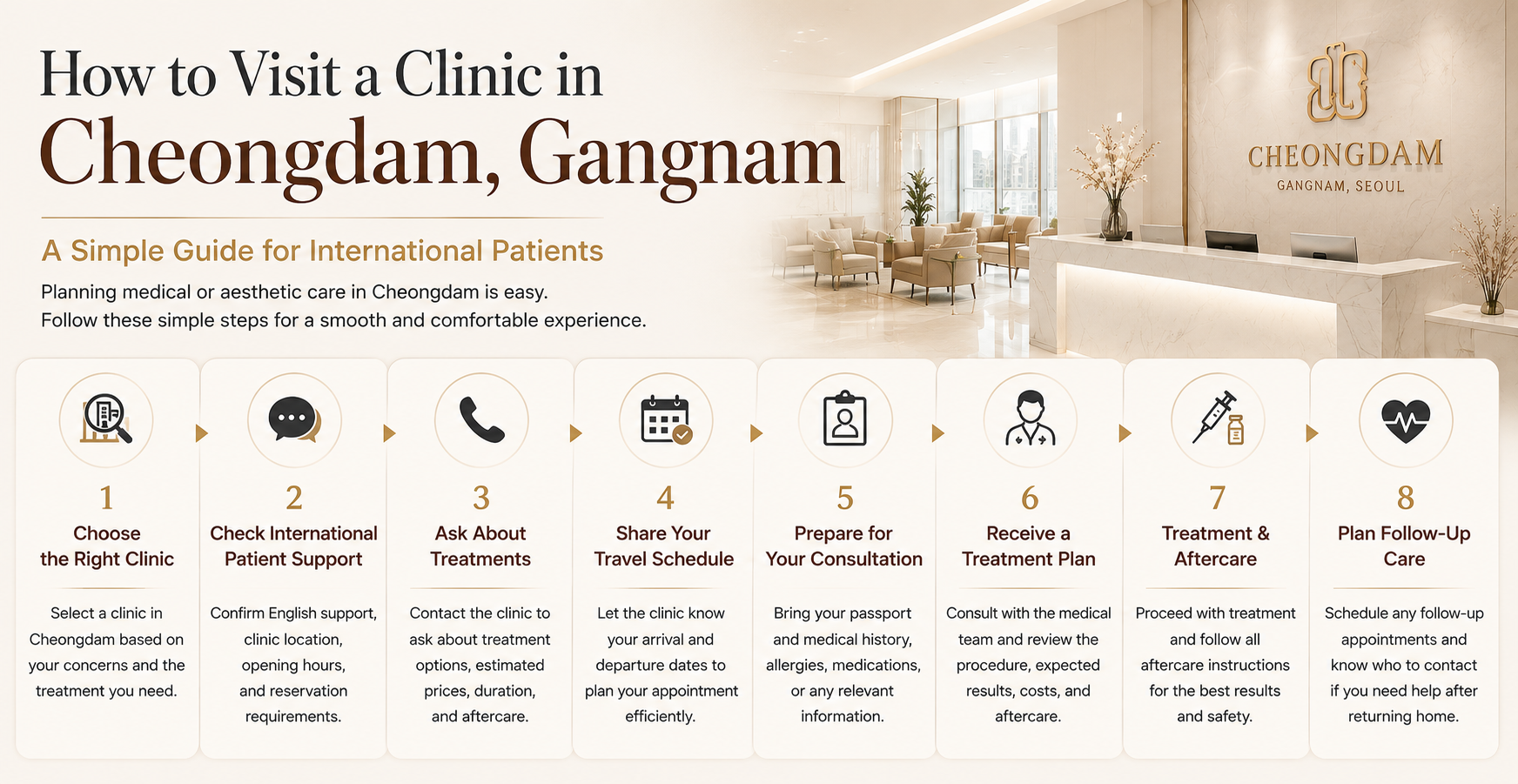
Eyelid Surgery for Foreigners in Seoul, Korea
International patients may consider Seoul for eyelid surgery and other facial plastic surgery procedures.
Foreign patients should confirm whether the clinic provides English-language consultation or interpreter support and whether the surgeon has experience with the specific eyelid procedure being considered.
Patients should also provide information about previous eye or eyelid surgery, medications, allergies, medical conditions, and previous aesthetic treatments.
Those traveling to Korea for surgery should plan sufficient time for recovery and follow-up appointments.
Eyelid Surgery Consultation and Surgery Process in Seoul
A typical eyelid surgery process may include:
- Initial consultation and medical history review
- Examination of the eyelids and surrounding structures
- Discussion of concerns and surgical options
- Pre-operative assessment and surgical planning
- Eyelid surgery and post-operative monitoring
- Follow-up care and recovery guidance
The exact process varies depending on the procedure and individual anatomy.
Patients should understand the expected changes, limitations, potential risks, and recovery requirements before proceeding.
Eyelid Surgery vs. Non-Surgical Eye Treatments
Eyelid surgery and non-surgical treatments address different types of concerns.
Surgery may be more appropriate for excess eyelid skin, significant tissue changes, or structural concerns that cannot be adequately corrected with non-surgical treatments.
Non-surgical options may include injectables, laser treatments, or energy-based skin treatments and may involve less downtime.
The appropriate approach depends on the underlying cause of the concern and the patient's desired degree of change.
Eyelid Surgery for Women and Men in Cheongdam
Eyelid surgery can be customized for both women and men according to individual eye anatomy and aesthetic goals.
Women may consider procedures such as double eyelid surgery, ptosis correction, lower blepharoplasty, or under-eye fat repositioning.
Men may also seek eyelid surgery to address eyelid heaviness, asymmetry, drooping, or changes associated with aging.
Regardless of gender, the surgical plan should be based on individual anatomy rather than applying a standardized eyelid shape.
Eyelid Surgery Care in Cheongdam, Seoul
Choosing eyelid surgery involves more than selecting a particular crease style or procedure.
Patients should consider the surgeon's qualifications, experience with eyelid surgery, understanding of eye anatomy, surgical technique, and approach to post-operative care.
Swelling, bruising, tightness, and temporary changes in sensation are common during recovery, and the timeline varies between individuals.
Patients searching for eyelid surgery in Cheongdam, eyelid surgery in Seoul, eyelid surgery in Korea, or eyelid surgery for foreigners can discuss their concerns with a qualified plastic surgeon before deciding on treatment.
Frequently Asked Questions
What is eyelid surgery?
Eyelid surgery is a surgical procedure that can change or improve the appearance and, in some cases, function of the upper or lower eyelids.
Different procedures are used depending on the patient's specific concerns.
What is the difference between double eyelid surgery and blepharoplasty?
Double eyelid surgery primarily focuses on creating or modifying an upper eyelid crease.
Blepharoplasty generally addresses excess skin and other tissue changes around the eyelids, particularly those associated with aging.
The procedures can sometimes overlap depending on the patient's anatomy.
What is ptosis correction?
Ptosis correction is surgery designed to address drooping of the upper eyelid, which may involve the muscles or supporting structures responsible for lifting the eyelid.
An examination is important to determine whether true ptosis is present.
How long is recovery after eyelid surgery?
Recovery varies depending on the procedure and individual healing.
Swelling and bruising are common during the early recovery period, while the final appearance may continue to change as tissues heal.
Your surgeon should provide a personalized recovery timeline.
Can foreigners get eyelid surgery in Korea?
Yes. International patients can seek eyelid surgery consultations and procedures in Korea, although clinic availability, language support, scheduling, and follow-up policies vary.
Can eyelid surgery be combined with other procedures?
In some cases, eyelid surgery may be combined with facial procedures such as rhinoplasty, facial contouring, or fat grafting.
Whether combination surgery is appropriate depends on the patient's health, anatomy, and overall surgical plan.
Do I need a consultation before eyelid surgery?
Yes. An individual examination allows the surgeon to evaluate eyelid anatomy, discuss appropriate techniques, identify potential risks, and develop a suitable surgical plan.
Eyelid Surgery Consultation in Cheongdam, Seoul
If you are considering eyelid surgery in Korea, an individualized consultation can help determine which procedure is appropriate for your eye structure and aesthetic goals.
Patients seeking eyelid surgery in Cheongdam, Seoul should confirm the surgeon's experience, recommended technique, expected recovery, consultation language, and follow-up care before surgery.
Whether you are considering double eyelid surgery, upper or lower blepharoplasty, ptosis correction, or under-eye treatment, a qualified plastic surgeon can evaluate your eyelid structure and discuss the available options.