Lower Blepharoplasty Cheongdam Seoul Clinic
Lower Blepharoplasty and Under-Eye Rejuvenation in Korea
Lower Blepharoplasty in Cheongdam, Seoul provides personalized surgical care for international patients seeking a smoother and more youthful-looking under-eye area in Korea. Treatment may address under-eye bags, excess skin, and changes in lower eyelid contours based on individual concerns and goals. International patients can access patient-focused lower blepharoplasty care in Cheongdam, Gangnam, with support designed to make treatment in Seoul easier and more comfortable.
What Is Lower Blepharoplasty?
Lower blepharoplasty is a surgical eyelid procedure designed to address changes affecting the lower eyelids and under-eye area.
Depending on the patient's anatomy, it may address under-eye bags, excess lower eyelid skin, fat prominence, or an uneven transition between the lower eyelid and cheek.
Because under-eye aging can have different causes, the appropriate surgical approach depends on skin condition, fat distribution, eyelid support, facial structure, and the patient's goals.
Lower Blepharoplasty in Cheongdam, Seoul
Cheongdam is a popular area in Seoul for plastic surgery and facial rejuvenation procedures.
Patients considering lower blepharoplasty in Cheongdam may consult with a plastic surgeon to evaluate under-eye bags, skin laxity, lower eyelid position, and changes associated with aging.
During consultation, the surgeon may also examine the relationship between the lower eyelid and cheek before developing an individualized treatment plan.
What Does Lower Blepharoplasty Address?
Lower blepharoplasty may address concerns such as:
- Under-eye bags
- Lower eyelid skin laxity
- Prominent under-eye fat
- Hollowing or uneven contours beneath the eyes
- Fine lines associated with excess lower eyelid skin
- Changes in the lower eyelid-cheek transition
- Age-related changes around the eyes
The procedure does not address every type of dark circle or under-eye concern.
A detailed examination is important because pigmentation, vascular visibility, volume loss, and skin texture may require different treatments.
Lower Blepharoplasty Techniques in Cheongdam
Different surgical techniques may be used depending on the patient's anatomy and the cause of the under-eye concern.
Transconjunctival Lower Blepharoplasty
A transconjunctival approach uses an incision inside the lower eyelid.
It may be considered for selected patients with prominent under-eye fat who have relatively limited excess skin.
Because the incision is inside the eyelid, there is no external skin incision from this approach.
Transcutaneous Lower Blepharoplasty
A transcutaneous approach uses an incision near the lower eyelash line.
It may be considered when excess lower eyelid skin needs to be addressed along with changes in underlying tissues.
The appropriate approach depends on the patient's skin laxity, fat distribution, eyelid support, and overall anatomy.
Lower Blepharoplasty and Under-Eye Fat Repositioning
Under-eye bags can occur when orbital fat becomes more prominent or changes position with age.
Rather than simply removing fat, some surgical approaches may reposition fat to improve the contour between the lower eyelid and cheek.
This may help address a prominent bag and an adjacent hollow when both are present.
The appropriate technique depends on the patient's individual volume distribution and facial structure.
Lower Blepharoplasty and Tear Troughs
The tear trough refers to a depression that can appear between the lower eyelid and upper cheek.
Lower eyelid aging may involve both fat prominence and volume loss, creating an uneven transition in this area.
Depending on the patient's anatomy, lower blepharoplasty with fat repositioning or another volume-based approach may be considered.
Not every tear trough requires surgery, and the cause of the hollow should be evaluated before treatment.
Lower Blepharoplasty and Facial Rejuvenation
Lower eyelid changes can contribute significantly to an aged or tired appearance.
In selected patients, lower blepharoplasty may be combined with other facial rejuvenation procedures such as upper blepharoplasty, facelift surgery, fat grafting, or other treatments.
Combination procedures are not automatically necessary.
The appropriate treatment plan depends on the patient's overall facial aging, anatomy, health, and aesthetic goals.
What Are the Possible Risks of Lower Blepharoplasty?
Lower blepharoplasty involves medical and surgical risks.
Possible risks may include swelling, bruising, bleeding, infection, scarring, asymmetry, changes in sensation, dry eyes, irritation, difficulty closing the eyes, or dissatisfaction with the aesthetic outcome.
Lower eyelid surgery can also involve changes in eyelid position or contour, which may require additional treatment in some cases.
Patients should discuss potential complications, anesthesia, incision placement, recovery, and aftercare with their surgeon before surgery.
Who Should Consider Lower Blepharoplasty?
Lower blepharoplasty may be considered by adults with specific structural or age-related concerns involving the lower eyelids.
Common concerns include:
- Noticeable under-eye bags
- Excess lower eyelid skin
- Prominent lower eyelid fat
- Uneven lower eyelid contours
- Age-related lower eyelid changes
- Changes following previous eyelid surgery
Lower blepharoplasty may not be appropriate for patients whose primary concern is pigmentation or skin discoloration.
A qualified plastic surgeon should evaluate the lower eyelids, eye area, facial structure, health, and expectations before recommending surgery.
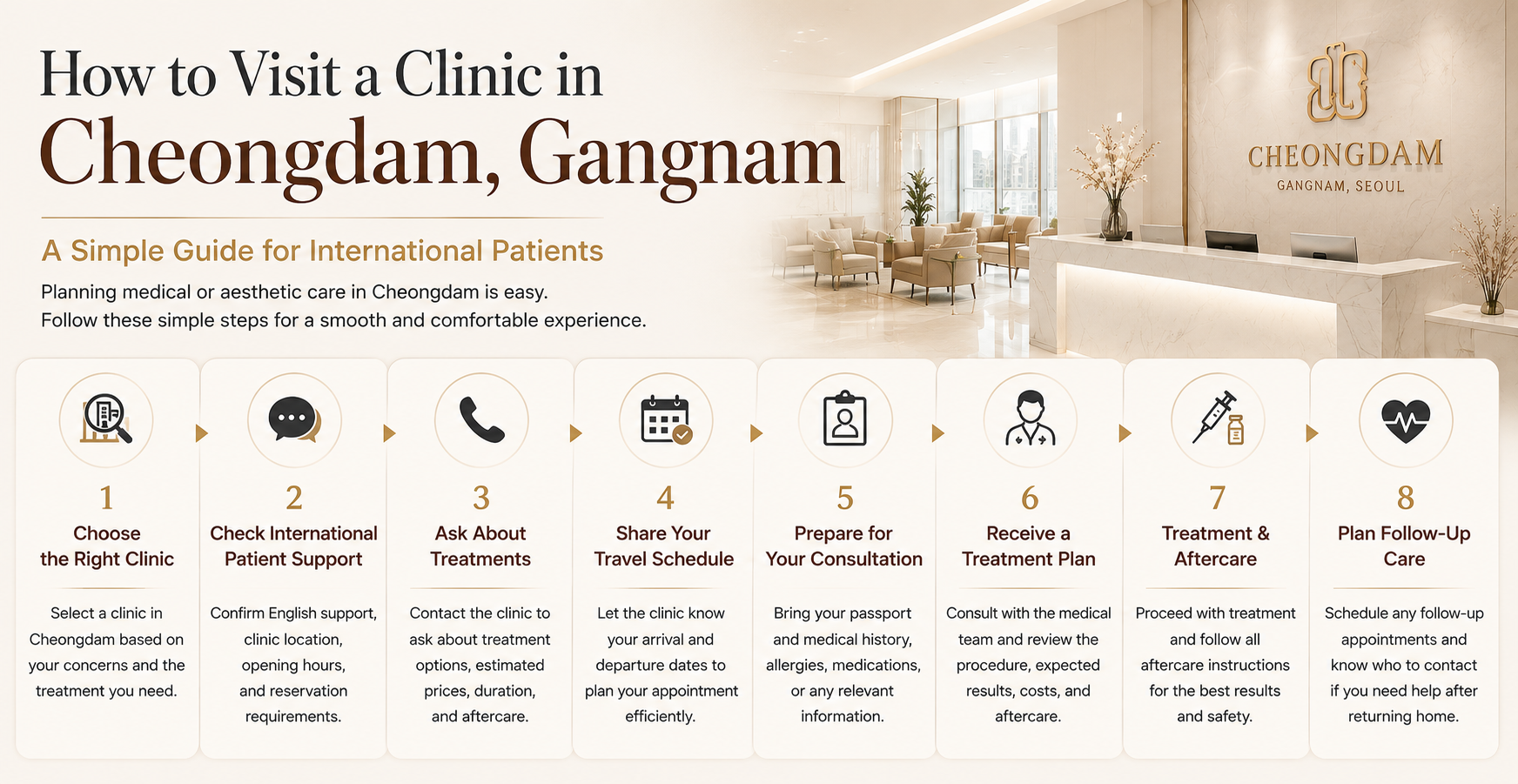
Lower Blepharoplasty for Foreigners in Seoul, Korea
International patients may consider Seoul for lower blepharoplasty and other facial rejuvenation procedures.
Foreign patients should confirm whether the clinic provides English-language consultation or interpreter support and whether the surgeon has experience with lower eyelid surgery.
Patients should provide information about previous eye or eyelid surgery, medications, allergies, medical conditions, and previous aesthetic treatments.
Those traveling to Korea for surgery should also plan sufficient time for recovery and follow-up appointments.
Lower Blepharoplasty Consultation and Surgery Process in Seoul
A typical lower blepharoplasty process may include:
- Initial consultation and medical history review
- Examination of the lower eyelids and surrounding structures
- Assessment of skin, fat, eyelid support, and facial contours
- Discussion of surgical options and expected changes
- Pre-operative assessment and surgical planning
- Surgery, post-operative monitoring, and follow-up care
The exact process varies according to the patient's anatomy and surgical technique.
Patients should understand the expected changes, limitations, potential risks, and recovery requirements before proceeding.
Lower Blepharoplasty vs. Non-Surgical Under-Eye Treatments
Lower blepharoplasty and non-surgical treatments address different types of under-eye concerns.
Surgery may be more appropriate for prominent under-eye fat or significant excess skin that cannot be adequately corrected with non-surgical treatment.
Non-surgical options may include injectables, laser treatments, skin tightening, or other treatments for volume loss, fine lines, or skin quality.
These options may involve less downtime but generally cannot remove significant excess skin or surgically reposition orbital fat.
The appropriate treatment depends on the underlying cause of the concern.
Lower Blepharoplasty for Women and Men in Cheongdam
Lower blepharoplasty can be customized for both women and men according to individual anatomy and aesthetic goals.
Women may seek improvement in under-eye bags, lower eyelid skin laxity, or the transition between the eyes and cheeks.
Men may consider lower blepharoplasty for similar concerns, with treatment planned according to their individual facial structure and eyelid characteristics.
Regardless of gender, conservative treatment and appropriate tissue management are important when planning surgery around the eyes.
Lower Blepharoplasty Care in Cheongdam, Seoul
Choosing lower blepharoplasty involves more than deciding whether under-eye fat should be removed.
Patients should consider the surgeon's qualifications, experience with lower eyelid surgery, understanding of eyelid anatomy, surgical technique, and approach to post-operative care.
Swelling and bruising are common during early recovery, while lower eyelid contours may continue to change as the tissues heal and settle.
Patients searching for lower blepharoplasty in Cheongdam, lower blepharoplasty in Seoul, lower blepharoplasty in Korea, or lower blepharoplasty for foreigners can discuss their concerns with a qualified plastic surgeon before making a treatment decision.
Frequently Asked Questions
What is lower blepharoplasty?
Lower blepharoplasty is a surgical procedure designed to address under-eye bags, excess lower eyelid skin, and other structural changes affecting the lower eyelid area.
Does lower blepharoplasty remove under-eye bags?
It can address under-eye bags caused by prominent or displaced fat and, when appropriate, excess skin.
The surgical technique depends on the underlying cause of the bags.
What is the difference between transconjunctival and transcutaneous lower blepharoplasty?
Transconjunctival lower blepharoplasty uses an incision inside the lower eyelid and may be suitable for selected patients with prominent fat and limited excess skin.
Transcutaneous surgery uses an incision near the lower eyelashes and may be appropriate when excess skin also needs to be addressed.
Can lower blepharoplasty treat dark circles?
It depends on the cause of the dark circles.
Surgery may improve shadows caused by under-eye bags or uneven contours, but pigmentation or vascular dark circles may require different treatments.
How long is recovery after lower blepharoplasty?
Recovery varies depending on the surgical technique and individual healing.
Swelling and bruising are common during the early recovery period, while the final contour may continue to change as the tissues settle.
Can lower blepharoplasty be combined with other procedures?
Yes, in selected patients. Lower blepharoplasty may be combined with upper blepharoplasty, fat grafting, facelift surgery, or other facial rejuvenation procedures.
The appropriate combination depends on the patient's health, anatomy, and treatment goals.
Can foreigners get lower blepharoplasty in Korea?
Yes. International patients can seek lower blepharoplasty consultations and procedures in Korea, although language support, clinic availability, scheduling, and follow-up policies vary.
Lower Blepharoplasty Consultation in Cheongdam, Seoul
If you are considering lower blepharoplasty in Korea, an individualized consultation can help determine whether under-eye bags, excess skin, fat distribution, or another concern is contributing to the appearance of the lower eyelids.
Patients seeking lower blepharoplasty in Cheongdam, Seoul should confirm the surgeon's experience, recommended technique, expected recovery, consultation language, and follow-up care before surgery.
Whether you are concerned about under-eye bags, lower eyelid skin laxity, tear troughs, or uneven under-eye contours, a qualified plastic surgeon can evaluate your eye area and discuss the available treatment options.