Nose Tip Surgery Cheongdam Seoul Clinic
Nose Tip Surgery and Nasal Aesthetic Care in Korea
Nose Tip Surgery in Cheongdam, Seoul provides personalized surgical care for international patients seeking a more refined and balanced nasal appearance in Korea. Treatment may address the shape, projection, or definition of the nasal tip based on individual anatomy and aesthetic goals. International patients can access patient-focused nose tip surgery care in Cheongdam, Gangnam, with support designed to make treatment in Seoul easier and more comfortable.
What Is Nose Tip Surgery?
Nose tip surgery, also called tip plasty, is a surgical procedure designed to change the shape, projection, rotation, or definition of the nasal tip.
Patients may consider nose tip surgery when they are concerned about a wide, rounded, drooping, asymmetric, or poorly defined nasal tip.
Because the nasal tip is formed by cartilage, skin, and soft tissue, the appropriate surgical technique depends on the patient's existing anatomy, skin thickness, cartilage strength, and desired outcome.
Nose Tip Surgery in Cheongdam, Seoul
Cheongdam is a popular area in Seoul for rhinoplasty and other facial plastic surgery procedures.
Patients considering nose tip surgery in Cheongdam may consult with a plastic surgeon to evaluate nasal tip shape, projection, symmetry, cartilage structure, and the relationship between the tip and nasal bridge.
During consultation, the surgeon may also assess the nostrils and overall facial proportions to determine whether tip surgery alone or another nasal procedure is appropriate.
What Does Nose Tip Surgery Address?
Nose tip surgery may address concerns such as:
- Wide nasal tip
- Bulbous or rounded tip
- Drooping nasal tip
- Under-projected tip
- Over-projected tip
- Asymmetrical nasal tip
- Poorly defined tip
- Tip shape changes following previous rhinoplasty
The procedure primarily focuses on the nasal tip rather than the entire nose.
The appropriate degree of correction depends on the patient's cartilage structure, skin characteristics, and overall nasal proportions.
Nose Tip Surgery Techniques in Cheongdam
Different techniques may be used depending on the patient's nasal anatomy and surgical goals.
Cartilage Reshaping
Cartilage may be reshaped or repositioned to modify the width, projection, or definition of the nasal tip.
The amount of cartilage modification depends on the existing structure and the desired result.
Cartilage Suturing
Sutures may be used to reposition or reshape the nasal tip cartilage.
This can help adjust the relationship between cartilage structures and create a more defined tip in selected patients.
Cartilage Grafting
Additional cartilage may sometimes be used to provide support or increase tip projection.
Depending on the patient's anatomy, graft material may come from the nasal septum or another appropriate source.
The surgeon should determine whether grafting is necessary based on the patient's existing cartilage and structural requirements.
Nose Tip Surgery and Nasal Bridge Surgery
The nasal tip and bridge work together to create the overall shape and proportions of the nose.
Some patients may achieve their desired appearance through tip surgery alone, while others may benefit from changes to both the tip and bridge.
If the nasal bridge is relatively low or the tip appears disproportionate to the rest of the nose, combined rhinoplasty may be considered.
An overall assessment of nasal proportions is important before deciding on treatment.
Nose Tip Surgery and Alar Reduction
The nasal tip and nostril base can influence each other's appearance.
Changes to tip projection or rotation may alter the visual width of the nostrils, while alar reduction directly changes the width or shape of the nostril base.
Some patients may benefit from combining tip surgery with alar reduction, but the procedures are not automatically required together.
The surgeon should evaluate the entire nose to determine whether additional surgery would create a balanced result.
Nose Tip Surgery and Drooping Tip
A downward-pointing nasal tip can make the nose appear longer or affect the balance between the nose and upper lip.
Tip surgery may modify the position or support of the nasal tip in selected patients.
However, a drooping tip can have different causes, including cartilage structure, muscle activity, or previous surgery.
The underlying cause should be evaluated before selecting a surgical technique.
Revision Nose Tip Surgery
Patients who have previously undergone rhinoplasty may seek revision nose tip surgery because of persistent asymmetry, contour irregularities, inadequate projection, or other changes.
Revision cases can be more complex because previous surgery may have altered the cartilage framework or created scar tissue.
Patients should provide information about previous procedures and operative records when available.
A detailed examination is particularly important before considering additional surgery.
What Are the Possible Risks of Nose Tip Surgery?
Nose tip surgery involves medical and surgical risks.
Possible risks may include swelling, bruising, bleeding, infection, scarring, asymmetry, changes in sensation, contour irregularities, breathing difficulties, dissatisfaction with the aesthetic result, or the need for revision surgery.
Over-correction or excessive cartilage modification can also affect nasal structure or function.
Patients should discuss potential complications, anesthesia, graft materials, incision placement, recovery, and aftercare with their surgeon before surgery.
Who Should Consider Nose Tip Surgery?
Nose tip surgery may be considered by adults who have specific concerns about the shape or position of the nasal tip and have realistic expectations about surgery.
Common concerns include:
- Wide or bulbous nasal tip
- Drooping tip
- Asymmetrical tip
- Lack of tip definition
- Insufficient or excessive tip projection
- Changes following previous nasal surgery
Not every nasal tip concern requires surgery.
A qualified plastic surgeon should evaluate the nasal cartilage, skin, soft tissue, facial proportions, and health before recommending treatment.
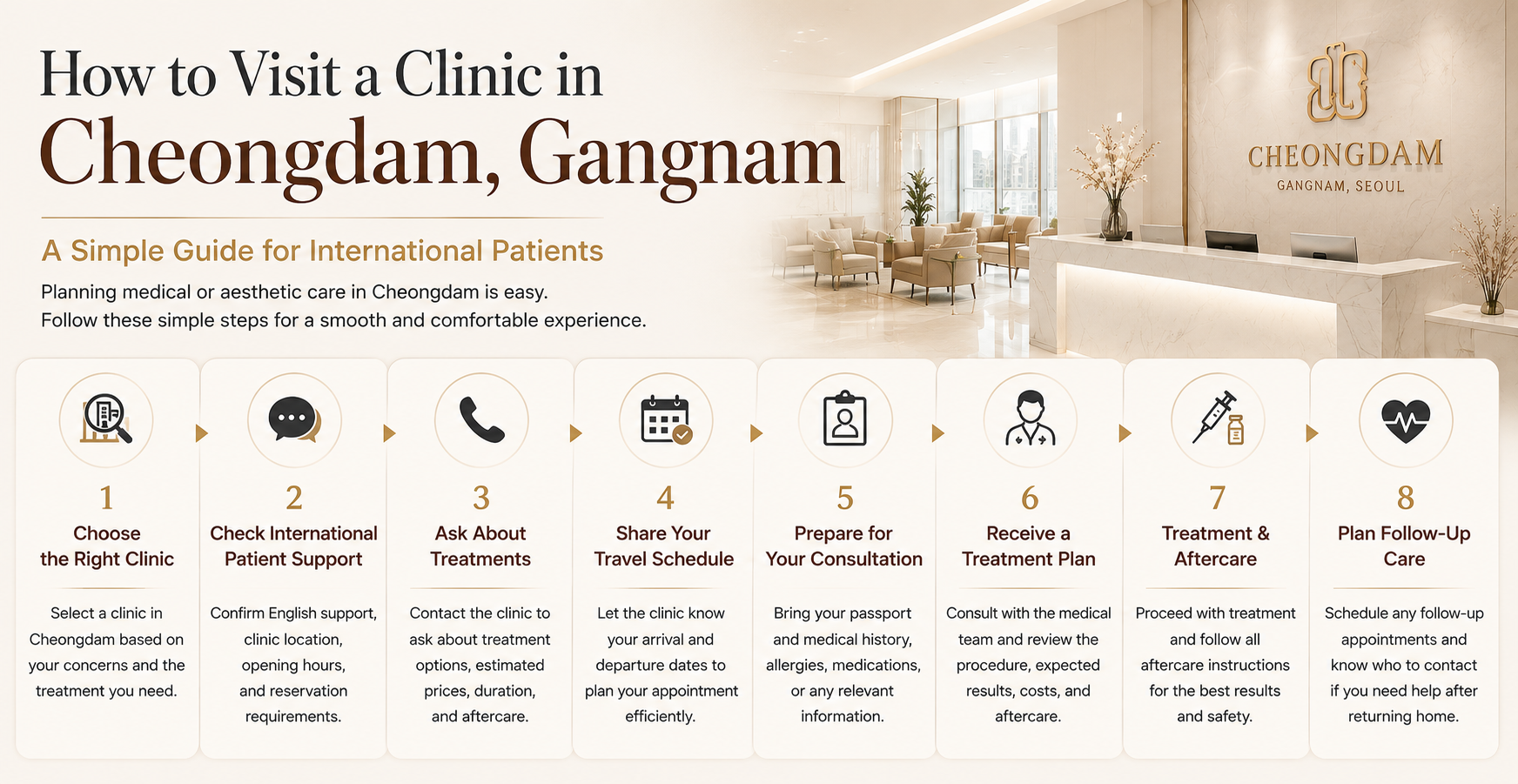
Nose Tip Surgery for Foreigners in Seoul, Korea
International patients may consider Seoul for nose tip surgery and other rhinoplasty procedures.
Foreign patients should confirm whether the clinic provides English-language consultation or interpreter support and whether the surgeon has experience with the specific type of nasal tip surgery being considered.
Patients should provide information about previous nasal surgery, medications, allergies, medical conditions, and any existing breathing concerns.
Those traveling to Korea for surgery should plan sufficient recovery time and follow-up appointments before returning home.
Nose Tip Surgery Consultation and Surgery Process in Seoul
A typical nose tip surgery process may include:
- Initial consultation and medical history review
- Examination of nasal tip structure and facial proportions
- Assessment of cartilage, skin, and soft tissue
- Discussion of surgical techniques and expected changes
- Pre-operative assessment and surgical planning
- Nose tip surgery and post-operative monitoring
- Follow-up care and recovery guidance
The exact process varies according to the patient's anatomy and surgical technique.
Patients should understand the planned changes, limitations, potential risks, and recovery requirements before proceeding.
Nose Tip Surgery vs. Full Rhinoplasty
Nose tip surgery primarily focuses on the nasal tip, while full rhinoplasty can address multiple structures including the bridge, tip, bone, cartilage, and nostrils.
Patients with isolated tip concerns may be candidates for tip surgery alone.
Patients with concerns involving overall nasal proportions or multiple areas may require a more comprehensive rhinoplasty approach.
The appropriate procedure depends on the patient's individual anatomy and goals.
Nose Tip Surgery vs. Non-Surgical Nose Treatments
Nose tip surgery creates structural changes to the nasal cartilage and surrounding tissues.
Non-surgical treatments such as injectable fillers may temporarily alter certain nasal contours but cannot reshape the nasal cartilage in the same way as surgery.
Fillers may also have medical risks and are not appropriate for every nasal concern.
Patients should receive an anatomical assessment before deciding between surgical and non-surgical treatment.
Nose Tip Surgery for Women and Men in Cheongdam
Nose tip surgery can be customized for both women and men according to individual nasal anatomy and facial proportions.
Women may seek a more defined or refined nasal tip while maintaining harmony with the bridge and other facial features.
Men may consider tip surgery for concerns involving width, projection, asymmetry, or drooping, with the surgical plan adapted to their individual facial structure.
Regardless of gender, the goal should be a balanced nasal tip rather than following a standardized shape.
Nose Tip Surgery Care in Cheongdam, Seoul
Choosing nose tip surgery involves more than selecting a preferred tip shape.
Patients should consider the surgeon's qualifications, experience with nasal surgery, understanding of cartilage anatomy, surgical technique, use of graft materials when needed, and approach to post-operative care.
Swelling and bruising are common during early recovery, while nasal tip swelling can take longer to resolve than swelling in some other areas of the nose.
Patients searching for nose tip surgery in Cheongdam, nose tip surgery in Seoul, nose tip surgery in Korea, or nose tip surgery for foreigners can discuss their concerns with a qualified plastic surgeon before making a treatment decision.
Frequently Asked Questions
What is nose tip surgery?
Nose tip surgery, or tip plasty, is a surgical procedure designed to change the shape, projection, rotation, or definition of the nasal tip.
Can nose tip surgery make the tip smaller?
It can reduce or reshape certain aspects of a wide or bulbous nasal tip when appropriate.
The amount of change depends on cartilage structure, skin thickness, and the patient's overall nasal anatomy.
Can nose tip surgery increase tip projection?
Yes. In selected patients, cartilage reshaping, suturing, or grafting techniques may be used to increase or modify tip projection.
Can nose tip surgery correct a drooping tip?
It may improve a drooping nasal tip when the underlying cause can be addressed surgically.
The appropriate technique depends on the cartilage structure, soft tissue, and other anatomical factors contributing to the drooping.
How long is recovery after nose tip surgery?
Recovery varies depending on the surgical technique and individual healing.
Swelling and bruising are common during the early recovery period, and swelling around the nasal tip may take longer to resolve.
Can nose tip surgery be combined with rhinoplasty?
Yes. Nose tip surgery may be performed together with bridge surgery, alar reduction, or other rhinoplasty procedures when medically and aesthetically appropriate.
Can foreigners get nose tip surgery in Korea?
Yes. International patients can seek nose tip surgery consultations and procedures in Korea, although language support, clinic availability, scheduling, and follow-up policies vary.
Nose Tip Surgery Consultation in Cheongdam, Seoul
If you are considering nose tip surgery in Korea, an individualized consultation can help determine whether your concern is related to cartilage structure, soft tissue, tip projection, rotation, or another anatomical factor.
Patients seeking nose tip surgery in Cheongdam, Seoul should confirm the surgeon's experience, recommended technique, expected recovery, consultation language, and follow-up care before surgery.
Whether you are concerned about a wide or bulbous tip, drooping, asymmetry, limited definition, or changes following previous rhinoplasty, a qualified plastic surgeon can evaluate your nasal structure and discuss the available treatment options.