Pap Smear Cheongdam Seoul Clinic
Women’s Health and Cervical Cancer Screening for International Patients
Pap Smear in Cheongdam, Seoul provides cervical health screening for international patients seeking professional and discreet gynecological care in Korea. A Pap smear is used to check cervical cells for abnormal changes that may require further evaluation, with screening recommendations based on individual health needs and medical history. International patients can access convenient, patient-focused cervical screening services in Cheongdam, Gangnam, with support designed to make medical visits in Seoul easier and more comfortable.
What Is a Pap Smear?
A Pap smear, also called a Pap test, is a cervical cancer screening test used to identify abnormal cells on the cervix.
During the test, a healthcare professional gently collects cells from the cervix using a specialized sampling device. The collected cells are then examined to identify abnormal changes that may require further evaluation.
A Pap smear is primarily a screening test rather than a treatment. Regular cervical screening can help detect cellular changes at an early stage, when appropriate follow-up can be arranged.
Pap Smear in Cheongdam, Seoul
Women living in Seoul or visiting Korea may consider a Pap smear as part of routine gynecological and preventive healthcare.
A consultation at a women’s health or gynecology clinic in Cheongdam can help determine whether cervical screening is appropriate based on your age, screening history, medical history, previous test results, and individual risk factors.
International patients may also want to confirm whether English-language consultation is available and whether the clinic provides Pap testing and other cervical screening services before making an appointment.
How Does a Pap Smear Work?
During a Pap smear, a healthcare professional collects a small sample of cells from the cervix.
The sample is sent for laboratory evaluation, where cervical cells are examined for abnormal changes. Depending on the screening method used, HPV testing may also be performed at the same time or separately.
If abnormal results are identified, your healthcare provider may recommend additional testing or follow-up rather than immediately indicating that cancer is present.
What Happens During a Pap Smear?
A typical Pap smear is performed during a gynecological examination.
The healthcare professional may:
- Ask about your medical and screening history
- Position you for the examination
- Use a speculum to gently visualize the cervix
- Collect cervical cells using a sampling device
- Send the sample for laboratory analysis
- Explain when and how you will receive the results
The procedure is generally brief, although some women may experience temporary pressure, discomfort, or light spotting afterward.
Who Should Get a Pap Smear?
Cervical cancer screening is recommended for women according to age and individual health circumstances, although specific screening schedules can vary by country and medical guidelines.
Your healthcare provider may consider factors such as:
- Age
- Previous Pap smear results
- HPV vaccination history
- Previous HPV test results
- Medical history
- Previous cervical abnormalities
- Individual risk factors
Women who have symptoms such as unusual vaginal bleeding or pelvic pain should not rely on routine screening alone and should seek an appropriate medical evaluation.
Pap Smear vs. HPV Test
Pap smears and HPV tests are related to cervical cancer screening but look for different things.
A Pap smear examines cervical cells for abnormal changes, while an HPV test checks for certain high-risk types of human papillomavirus associated with cervical cancer.
Depending on age, medical history, and local screening recommendations, a healthcare provider may recommend a Pap smear, HPV testing, or both.
What Are the Possible Side Effects of a Pap Smear?
A Pap smear is generally a simple and well-tolerated screening procedure.
Some women may experience temporary discomfort or pressure during the examination. Light spotting can also occur after cervical cell collection.
Significant pain or heavy bleeding is not typical. If you experience concerning symptoms after the examination, contact your healthcare provider for advice.
How Should I Prepare for a Pap Smear?
Your healthcare provider or clinic can provide specific preparation instructions before your appointment.
Depending on the circumstances, you may be advised to avoid certain vaginal products or activities for a period before the test because they can affect the sample.
It is also important to tell your healthcare provider about your menstrual cycle, pregnancy status, medications, previous cervical screening results, and any relevant symptoms.
What Happens If My Pap Smear Is Abnormal?
An abnormal Pap smear does not automatically mean that you have cervical cancer.
Abnormal results can occur for several reasons, including HPV infection or other changes in cervical cells. Depending on the result, your healthcare provider may recommend repeat screening, HPV testing, additional cervical examination, or another diagnostic procedure.
The appropriate follow-up depends on the specific result and your individual medical history.
Pap Smear for Foreigners in Seoul, Korea
International residents, expatriates, students, and visitors in Korea may seek Pap smear testing at gynecology and women’s health clinics in Seoul.
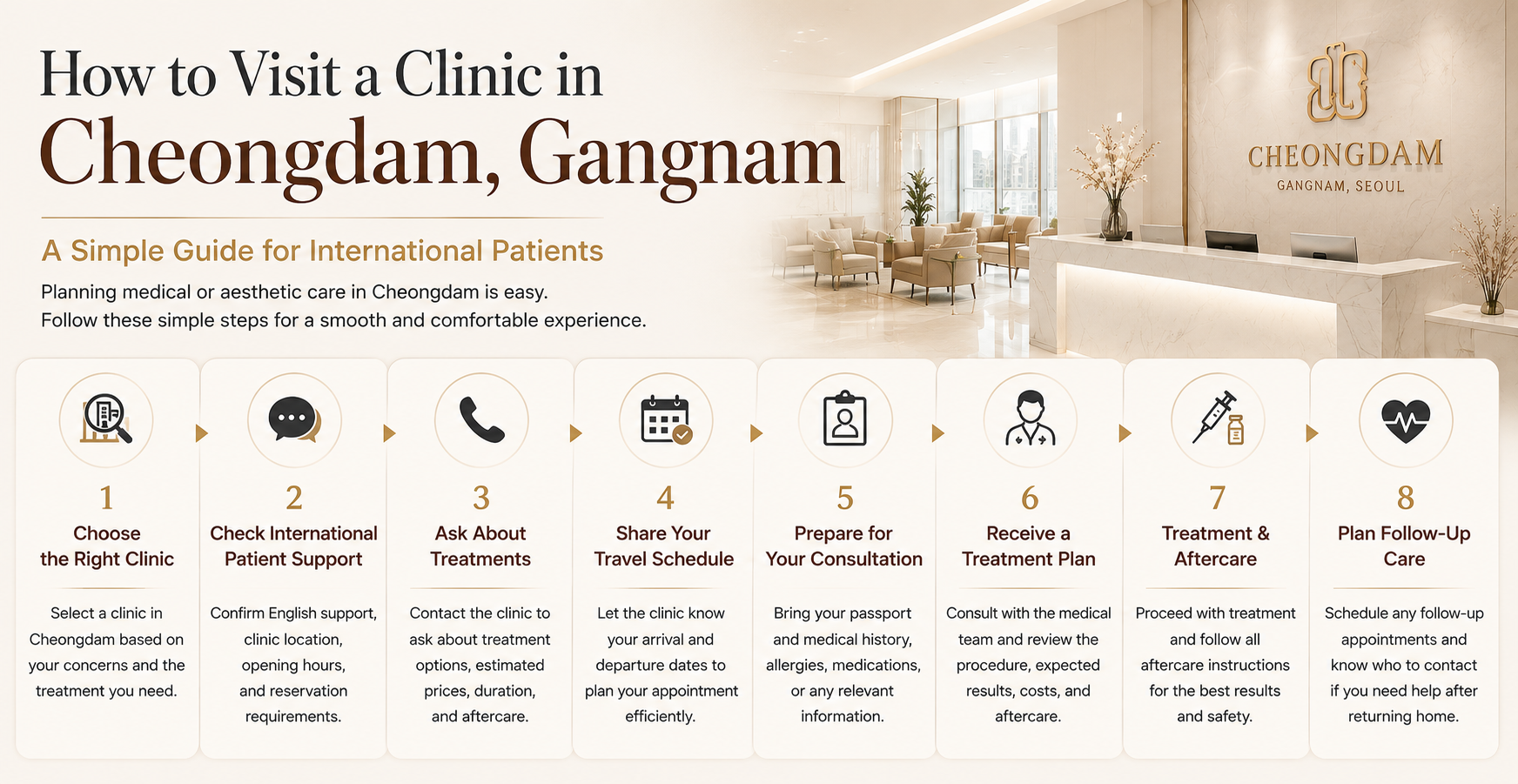
When choosing a clinic in Cheongdam or Gangnam, international patients may want to confirm whether English-language consultation is available and whether the clinic currently provides Pap smears, HPV testing, pelvic examinations, or other cervical screening services.
It can also be helpful to bring previous Pap smear or HPV test results, vaccination records, information about previous cervical abnormalities, current medications, and relevant medical history.
Pap Smear and HPV Vaccination
Pap smears and HPV vaccination serve different purposes in cervical cancer prevention.
The HPV vaccine helps prevent infection with certain HPV types, while a Pap smear screens for abnormal cervical cell changes.
Even if you have received the HPV vaccine, recommended cervical cancer screening remains important because HPV vaccines do not protect against every HPV type associated with cervical cancer.
Women’s Health Care in Cheongdam, Seoul
A women’s health consultation can include more than cervical cancer screening.
Depending on individual needs, patients may discuss Pap smears, HPV testing, HPV vaccination, pelvic ultrasound, menstrual concerns, contraception, infection testing, pregnancy planning, and routine gynecological care.
Women looking for Pap smear in Cheongdam, Pap test in Seoul, cervical cancer screening in Korea, or women’s health care for foreigners in Seoul can discuss available screening options with a qualified healthcare provider.
Frequently Asked Questions
What is a Pap smear?
A Pap smear is a cervical cancer screening test that collects cells from the cervix to check for abnormal cellular changes that may require further evaluation.
Is a Pap smear painful?
A Pap smear is generally brief, but some women may experience temporary pressure or discomfort during the examination. Light spotting may occur afterward.
Can foreigners get a Pap smear in Korea?
Foreign patients can receive gynecological screening in Korea, although English-language consultation, Pap smear availability, pricing, and appointment requirements vary by medical institution.
Is a Pap smear the same as an HPV test?
No. A Pap smear examines cervical cells for abnormal changes, while an HPV test checks for certain high-risk HPV types. Depending on individual circumstances, both tests may be recommended.
Can I get a Pap smear in Cheongdam?
Yes. Gynecology and women’s health clinics in Cheongdam may provide cervical cancer screening. Patients should confirm current Pap smear and HPV testing availability with their chosen clinic before visiting.
What should I bring to a Pap smear appointment?
It can be helpful to bring previous Pap smear or HPV test results, HPV vaccination records, information about medications, previous cervical abnormalities, and relevant medical history.
Can I have a Pap smear during my period?
Menstrual blood can sometimes affect the quality of a cervical screening sample. Your healthcare provider can advise whether it is better to proceed or reschedule based on your circumstances and the amount of bleeding.
Do I need an appointment for a Pap smear in Korea?
Appointment policies vary by clinic. International patients are generally advised to book in advance, particularly when they require English-language consultation or additional gynecological examinations.
Pap Smear Consultation in Cheongdam, Seoul
If you are considering cervical cancer screening in Korea, a consultation with a qualified healthcare professional can help determine which screening approach is appropriate for your age, medical history, and previous screening results.
Patients seeking Pap smear or cervical cancer screening in Cheongdam, Seoul should confirm current screening services and appointment requirements with their chosen medical institution before visiting.