Korea vs Australia for Cosmetic Dermatology
Korea vs Australia for Cosmetic Dermatology
Korea and Australia are both strong destinations for cosmetic dermatology, but they offer noticeably different experiences.
Korea is particularly well known for high-volume aesthetic medicine, skin rejuvenation, and a broad selection of non-surgical treatments, while Australia places strong emphasis on regulated medical practice, practitioner qualifications, and patient safety.
For international patients, the better choice depends on the type of skin concern, preferred treatment approach, budget, travel plans, and the importance of ongoing local follow-up.
Korea: A Global Center for Cosmetic Dermatology
Korea has developed a large cosmetic dermatology market, particularly in Seoul. Dermatology is also the country's leading medical-tourism specialty. Korea recorded more than 2 million foreign patients in 2025, with dermatology accounting for 62.9% of foreign-patient visits.
Seoul's concentration of dermatology and aesthetic clinics makes it especially attractive for international visitors looking for multiple treatment options.
Popular Treatments in Korea
Depending on the clinic and medical assessment, patients may find:
- Laser and light-based treatments
- RF skin tightening
- Ultrasound-based lifting
- Botox and dermal fillers
- Skin boosters
- Rejuran and other injectable skin treatments
- Microneedling
- Acne and acne-scar treatments
- Pigmentation and melasma treatments
- Facial rejuvenation programs
- Non-surgical anti-aging treatments
Korea is particularly attractive to visitors interested in combining several non-surgical approaches during a single trip, although treatment combinations should always be medically appropriate.
Australia: Regulated Cosmetic Dermatology
Australia has a mature dermatology sector covering both medical and cosmetic skin care.
Cosmetic procedures are regulated within Australia's healthcare framework, and updated national guidelines for non-surgical cosmetic procedures came into effect in September 2025. These guidelines emphasize appropriate education, training, competence, informed consent, risk management, and aftercare.
Common Cosmetic Dermatology Treatments
Australian clinics may offer:
- Laser skin treatments
- Chemical peels
- Microneedling
- Botox
- Dermal fillers
- Skin rejuvenation
- Pigmentation treatments
- Acne and acne-scar treatments
- Hair and scalp treatments
- Skin tightening
- Cosmetic dermatology consultations
Availability varies by practitioner and clinic, so patients should assess individual qualifications and experience.
Korea vs Australia: Treatment Variety
Korea for Treatment Variety
Korea generally has an advantage when the priority is the breadth of aesthetic treatment choices.
Visitors can find numerous clinics offering different combinations of lasers, energy-based procedures, injectables, and skin-rejuvenation treatments.
This concentrated market can make Seoul attractive for medical tourists who want to compare several approaches.
Australia for Medical Oversight
Australia may appeal more to patients who prioritize formal regulation, practitioner registration, informed consent, and structured safety requirements.
The Australian guidelines state that cosmetic procedures should only be performed or prescribed by appropriately educated, trained, competent, authorized, and experienced registered health practitioners.
Which Is Better for Skin Rejuvenation?
Both destinations offer treatments aimed at improving skin texture, pigmentation, fine lines, and visible signs of aging.
Korea may offer greater treatment variety, particularly for patients interested in combining lasers, RF, ultrasound, injectables, and skin-focused procedures.
Australia may be preferable for patients who want ongoing care close to home, particularly when multiple consultations or longer-term dermatological management are expected.
Which Is Better for Acne and Acne Scars?
Both Korea and Australia offer medical and cosmetic approaches to acne and acne scars.
Korea may be attractive for patients interested in combining acne management with cosmetic procedures for residual scars, pigmentation, or texture.
Australia can be a strong choice for patients who want a dermatologist-led assessment of persistent acne or a skin condition requiring continuing management.
For acne scars, treatment depends heavily on scar type. Atrophic scars, pigmentation, redness, and active acne may require different approaches.
Which Is Better for Pigmentation?
Both countries offer laser and other treatments for pigmentation.
Korean clinics often provide a wide range of laser-based and combination treatments. Australian dermatologists and cosmetic practitioners also treat pigmentation using lasers, light-based procedures, prescription therapies, and other approaches.
However, pigmentation is not a single diagnosis. Melasma, post-inflammatory pigmentation, sun damage, and other conditions can require different treatment strategies.
The correct diagnosis should come before cosmetic treatment.
Which Is Better for Botox and Fillers?
Both Korea and Australia offer Botox and dermal fillers.
Korea has a particularly large facial-aesthetics market, while Australia has introduced detailed professional requirements for practitioners performing non-surgical cosmetic procedures.
Australia's Therapeutic Goods Administration advises patients to research both the practitioner and the products used. It also emphasizes consultation, informed consent, appropriate qualifications, and aftercare.
For injectables, the practitioner's anatomical knowledge, experience, product selection, injection technique, and ability to manage complications are more important than choosing a country alone.
Cost: Korea vs Australia
Prices vary significantly between clinics in both countries.
Korea can be competitive for certain cosmetic procedures, particularly when patients compare multiple providers in Seoul. Australia can have higher costs for some private cosmetic dermatology services, reflecting practitioner fees, clinical overheads, regulation, and ongoing care.
However, price should not be compared without considering what is included.
International patients should check whether the quoted amount covers consultation, treatment, products, medications, follow-up, and management of potential complications.
A cheaper treatment is not necessarily better value if appropriate follow-up is unavailable.
International Patient Experience
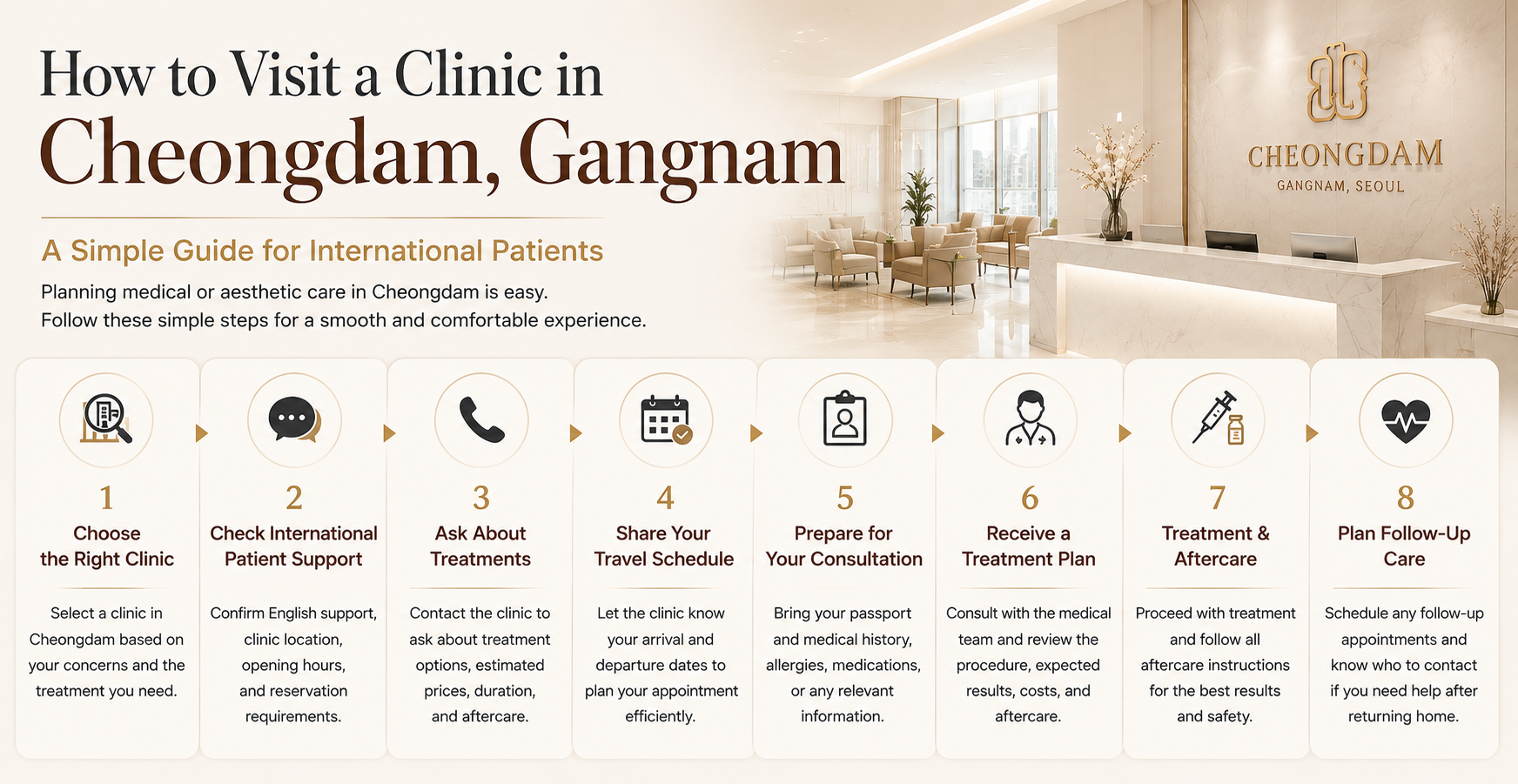
Korea has developed a substantial medical-tourism infrastructure, particularly in Seoul. International visitors can find clinics with multilingual services and treatment coordination designed for overseas patients.
Australia is also accessible to international visitors, with English as the primary language used in healthcare. However, cosmetic treatment is generally more integrated into the country's domestic healthcare environment than into a dedicated beauty-tourism model.
This creates an important practical difference:
Korea can be convenient for a planned aesthetic trip, while Australia may be more convenient for patients already living in or regularly visiting Australia.
Safety and Regulation
Safety should be a priority in both destinations.
Australia's current guidelines specifically require practitioners performing non-surgical cosmetic procedures to have appropriate education, training, competence, authorization, and experience. They also address informed consent, infection prevention, facilities, advertising, and management of complications.
The TGA also warns that improperly performed cosmetic injections can cause serious complications, including tissue damage and vision-threatening events. Patients are advised to verify practitioners and the products being used.
In Korea, international patients should similarly verify the treating professional's qualifications, understand the proposed treatment, and confirm aftercare arrangements.
Travel and Recovery Considerations
Travel can be an important factor when choosing between Korea and Australia.
For patients already living in Australia, receiving treatment locally can make follow-up significantly easier.
For medical tourists traveling to Korea, non-surgical treatments may fit conveniently into a Seoul itinerary, but recovery time still needs to be considered. Some procedures can cause temporary redness, swelling, bruising, peeling, or sensitivity.
Patients should not schedule demanding activities or long-haul flights without discussing recovery and travel timing with the treating professional.
Which Country Should You Choose?
Choose Korea If You Want
- A broad selection of cosmetic dermatology treatments
- Advanced non-surgical aesthetic options
- Extensive laser and energy-based treatments
- Skin boosters and injectables
- K-beauty-focused skin rejuvenation
- Multiple aesthetic clinics in concentrated districts
- A medical-tourism experience centered around beauty
Choose Australia If You Want
- A highly regulated healthcare environment
- Strong emphasis on practitioner qualifications
- Structured informed-consent requirements
- Ongoing dermatology care close to home
- English-language healthcare
- Cosmetic treatment within an established medical system
Final Verdict
Korea is generally the stronger choice for treatment variety and aesthetic-focused medical tourism, while Australia is particularly attractive for regulated care, practitioner oversight, and convenient long-term follow-up.
If your main goal is laser treatment, skin rejuvenation, pigmentation care, acne scars, injectables, or non-surgical anti-aging, Seoul can provide a particularly broad range of options.
If you have a persistent skin condition or expect to need ongoing dermatological monitoring and follow-up, Australia may offer practical advantages, especially if you already live there.
Ultimately, the best choice is not simply Korea vs Australia. The most important factors are the qualification of the practitioner, suitability of the treatment, realistic expectations, transparent pricing, safety standards, and access to appropriate aftercare.
Frequently Asked Questions
Is Korea better than Australia for cosmetic dermatology?
Korea generally offers greater variety in cosmetic dermatology and non-surgical aesthetic treatments, while Australia places strong emphasis on regulated healthcare and practitioner standards.
Is cosmetic dermatology cheaper in Korea?
Some procedures may be more competitively priced in Korea, but costs vary by clinic, practitioner, technology, product, and treatment plan.
Which is better for laser skin treatments?
Korea offers an especially broad range of laser and energy-based aesthetic treatments. Australia also has experienced providers, but available technologies vary by clinic.
Which is better for Botox and fillers?
Both countries offer injectables. The individual practitioner's qualifications, experience, product selection, injection technique, and complication-management skills should be the main considerations.
Is Australia safer than Korea for cosmetic treatments?
It is not appropriate to declare one country universally safer. Australia has detailed national professional guidelines, while patients in Korea should also verify provider qualifications, treatment standards, and aftercare.
Which is better for acne scars?
Both can provide effective options, but treatment depends on the type of scar and skin condition. Korea may offer more aesthetic treatment variety, while Australia can be convenient for ongoing dermatological care.
Can international patients receive cosmetic dermatology treatment in Korea?
Yes. Korea has a substantial international medical-tourism sector, and dermatology represents a major share of foreign-patient visits.