Treatments for Aging Skin in Cheongdam
Treatments for Aging Skin in Cheongdam
As skin ages, changes can appear gradually: fine lines become more noticeable, elasticity decreases, pigmentation may become uneven, and the skin can look drier or less radiant. Sun exposure, lifestyle factors, hormonal changes, and natural changes in collagen and elastin can all contribute to visible aging.
For people exploring dermatology and aesthetic treatments in Seoul, Cheongdam offers access to a broad range of skin-rejuvenation approaches. These can include laser treatments, radiofrequency-based procedures, injectables, skin boosters, and medical skincare.
The right treatment depends less on age itself and more on the specific changes you want to address. A consultation can help distinguish between concerns such as pigmentation, wrinkles, texture, dehydration, and skin laxity before choosing a treatment plan.
What Does Aging Skin Treatment Address?
Skin aging is not a single condition. Different layers and structures of the skin change over time, so treatment goals can vary considerably.
Common concerns include:
- Fine lines and wrinkles
- Reduced skin elasticity
- Mild to moderate skin laxity
- Uneven pigmentation and age spots
- Rough or uneven texture
- Dull-looking skin
- Dehydration
- Enlarged or more visible pores
- Loss of facial volume
- Neck and décolletage aging
UV exposure is particularly important because cumulative photodamage can contribute to wrinkles, pigmentation, and changes in skin elasticity. Sun protection therefore remains an important part of any long-term skin-aging strategy.
Common Treatments for Aging Skin in Cheongdam
The term “anti-aging treatment” covers many different procedures. Understanding what each category is designed to do can make a consultation more productive.
Laser and Light Treatments
Laser and light-based procedures can target several visible signs of photoaging, including pigmentation, uneven texture, and some types of wrinkles. Different technologies work at different depths and use different mechanisms, so there is no single laser that is appropriate for every aging-skin concern.
The choice of laser can also depend on skin type and pigmentation risk. People with darker skin tones may have a higher risk of post-treatment darkening or burns with certain laser procedures, making provider experience and treatment selection particularly important.
Depending on the technology, downtime may range from minimal redness to several days of peeling, swelling, or visible skin recovery.
Radiofrequency Skin Tightening
Radiofrequency (RF) treatments use controlled energy to heat tissue and stimulate changes within the dermis. Research has reported improvements in skin tightening and elasticity with different RF technologies, although treatment protocols and outcomes vary.
Fractional RF and microneedle RF can work more deeply than some surface-focused treatments. Studies have reported improvements in wrinkles and tightening, while temporary redness, swelling, discomfort, and, in some cases, hyperpigmentation can occur.
RF can be relevant for people concerned about mild laxity, jawline definition, facial texture, or neck aging. It should not, however, be viewed as an automatic replacement for surgery when significant skin excess or structural sagging is present.
Skin Boosters and Injectable Rejuvenation
Injectable skin boosters are another category used in Korean aesthetic dermatology. These treatments may focus on improving hydration, skin quality, elasticity, or overall radiance rather than creating major structural changes.
A 2024 review describes injectable skin boosters as an evolving approach to age-related changes such as dryness, dullness, and reduced elasticity. The products and evidence behind them vary, so patients should understand exactly what substance is being used and what outcome it is intended to achieve.
Swelling, bruising, tenderness, and temporary irregularities can occur after injectable procedures depending on the product and technique.
Botulinum Toxin
Botulinum toxin may be considered when facial expression contributes significantly to certain lines, such as frown lines or other dynamic wrinkles. It works differently from treatments designed to improve pigmentation, texture, or laxity.
The American Academy of Dermatology lists botulinum toxin and fillers among established cosmetic options for wrinkles.
Because facial movement and anatomy differ between individuals, treatment should be planned around the specific muscles and aesthetic goals rather than simply treating every visible line.
Dermal Fillers
Fillers are generally used when aging involves loss of volume or changes in facial contours. Depending on the product and injection area, fillers may be used around the cheeks, lips, temples, chin, jawline, or other areas.
Fillers do not primarily treat surface pigmentation or overall skin texture. Their role is different from laser, RF, or skin-quality treatments.
Because injections carry potential complications, including swelling, bruising and, rarely, more serious vascular complications, provider experience and appropriate patient selection are important.
Medical Skincare
Not every aging-skin concern requires an in-clinic procedure. Evidence-based topical skincare remains an important foundation of skin rejuvenation.
Retinoids, antioxidants, moisturizers, and consistent broad-spectrum sun protection may form part of a long-term strategy. Tretinoin has particularly strong evidence for photoaged skin, although it is a prescription medication and may not be appropriate for everyone.
A dermatologist can help determine which active ingredients are appropriate for an individual's skin and whether they should be paused before certain procedures.
How Is the Right Treatment Selected?
The best approach depends on the dominant concern rather than simply the patient's age.
For example:
- Pigmentation: laser or light-based treatments and medical skincare may be considered.
- Fine lines: topical retinoids, resurfacing treatments, injectables, or combination approaches may be relevant.
- Mild laxity: RF and other energy-based treatments may be considered.
- Dehydrated or dull skin: skincare or injectable skin-quality treatments may be options.
- Volume loss: dermal fillers may be considered in appropriate candidates.
- Multiple concerns: a staged combination approach may be more appropriate than relying on one procedure.
A consultation should also consider previous treatments, medications, skin sensitivity, pigmentation history, and how much downtime you can realistically accommodate.
Benefits and Limitations
Aging-skin treatments can improve selected aspects of appearance, but they do not stop chronological aging.
Results can vary based on the treatment technology, treatment settings, skin condition, age-related changes, lifestyle, and individual healing response. Some procedures require multiple sessions, while others may provide a more noticeable change after a single treatment.
Non-surgical treatments are generally designed to provide gradual or targeted improvements. They may not produce the same degree of lifting or tissue repositioning as surgery when significant facial or neck laxity is present.
Downtime and Possible Side Effects
Recovery depends strongly on the procedure.
Some treatments may cause temporary redness or sensitivity with little interruption to normal activities. Others can cause swelling, peeling, bruising, crusting, or several days of visible recovery.
RF studies have reported temporary effects including discomfort, erythema, swelling, edema, and pigmentation changes, depending on the technology and protocol.
Before treatment, ask specifically about:
- Expected downtime
- Sun-exposure restrictions
- Exercise restrictions
- Makeup restrictions
- Skincare products to avoid
- When results should become visible
- Whether multiple sessions are recommended
Planning Aging-Skin Treatments in Cheongdam
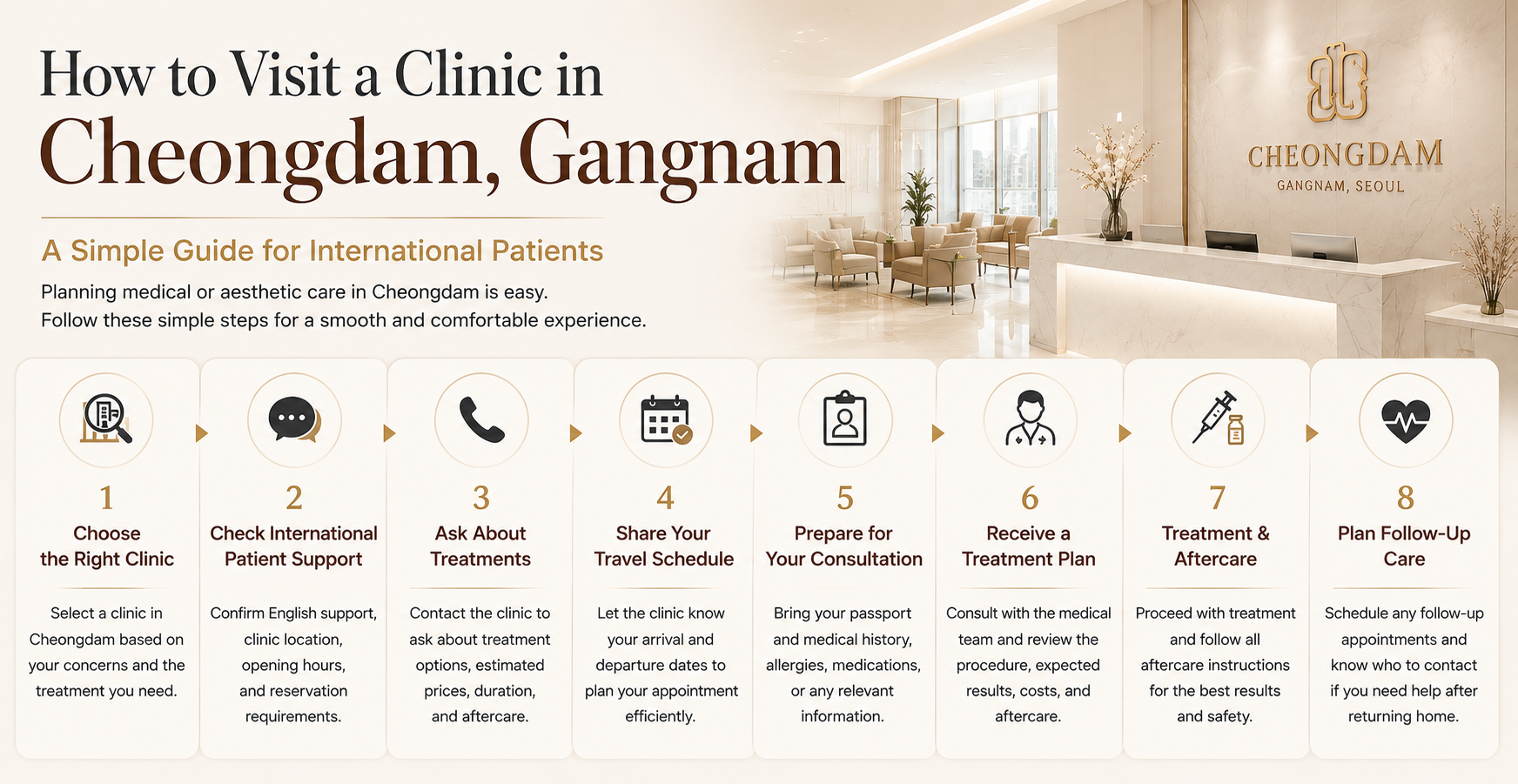
Cheongdam-dong, around areas such as Cheongdam Station, Dosan-daero, and Apgujeong Rodeo, is well known for its concentration of aesthetic and medical services.
For international visitors, convenience should not be the only consideration. Provider qualifications, medical supervision, treatment experience, communication, product information, aftercare, and follow-up arrangements are all important.
If you are traveling to Seoul specifically for treatment, leave enough time for possible swelling, redness, peeling, or other recovery effects before important meetings, photography, or travel activities.
Bring information about current medications, allergies, previous aesthetic procedures, and relevant skincare products. If you have undergone previous injections or energy-based treatments, provide those details during consultation.
How Much Do Aging-Skin Treatments Cost in Cheongdam?
There is no single price for “aging skin treatment.” Costs can vary according to the technology, treatment area, number of sessions, treatment intensity, provider, product used, and whether multiple procedures are combined.
For injectable treatments, the amount and type of product can significantly affect the total cost. For device-based treatments, the machine, treatment area, number of shots or passes, and number of sessions may influence pricing.
International patients should also consider consultation fees, medication, transportation, accommodation, and potential follow-up visits when planning a treatment budget.
Rather than relying on an old online price, confirm the current treatment cost and exactly what is included directly with the provider.
What Should You Ask During a Consultation?
Before choosing an aging-skin treatment in Cheongdam, consider asking:
- What is the main concern this treatment is intended to address?
- Why is this technology appropriate for my skin?
- How many sessions might I need?
- What downtime should I expect?
- What side effects are possible?
- When should I expect to see results?
- How long might the improvement last?
- Are there alternatives with less or more downtime?
- Would combining treatments provide a meaningful advantage?
- Who will perform the procedure and provide follow-up care?
These questions can help you compare treatments based on suitability rather than popularity.
Conclusion
Treatments for aging skin in Cheongdam range from medical skincare and laser procedures to radiofrequency, injectables, and other rejuvenation technologies. Each approach targets different aspects of skin aging, and no single treatment is ideal for everyone.
The most useful starting point is to identify the specific concern—whether it is pigmentation, fine lines, dehydration, texture, laxity, or volume loss—and then discuss appropriate options with a qualified medical professional.
For international patients, treatment selection should also account for recovery time, communication, follow-up, and travel plans. A personalized approach is generally more useful than choosing a procedure simply because it is currently popular.
FAQs About Treatments for Aging Skin in Cheongdam
What is the best treatment for aging skin in Cheongdam?
There is no universal best treatment. The appropriate option depends on whether the main concern is wrinkles, pigmentation, laxity, texture, dehydration, or volume loss.
Can aging skin be treated without surgery?
Yes. Laser treatments, RF-based procedures, injectables, and medical skincare can address selected signs of aging. However, non-surgical treatments may not provide the same lifting effect as surgery for significant tissue laxity.
Are laser treatments suitable for all skin types?
Many laser technologies can be used across different skin types, but settings and treatment selection matter. Darker skin may have a greater risk of burns or post-inflammatory pigmentation with some laser treatments.
How many treatments are needed for aging skin?
It depends on the technology and treatment goal. Some procedures may be performed as a single session, while others are commonly planned as a series.
Do RF treatments help with skin laxity?
RF can produce dermal heating and has been studied for improving skin tightening and elasticity. Results vary by device, treatment protocol, and individual skin characteristics.
Are skin boosters the same as dermal fillers?
No. Skin boosters generally focus on skin quality, hydration, or rejuvenation, while fillers are primarily used to restore or alter volume and contours. The exact purpose depends on the product used.
How long should I stay in Seoul after treatment?
There is no universal timeframe. It depends on the procedure and how your skin responds. Treatments involving swelling, bruising, peeling, or other visible recovery may require more planning than low-downtime procedures.
Can I combine several anti-aging treatments?
Combination treatment may be appropriate when different procedures target different concerns, but combining procedures should be based on medical assessment, treatment compatibility, and recovery requirements rather than simply adding more treatments.